Product Description
Advantages of Large-Diameter Carbon Steel Grooved Fittings (Compared to Ductile Iron Grooved Fittings and Flanged/Welded Connections)
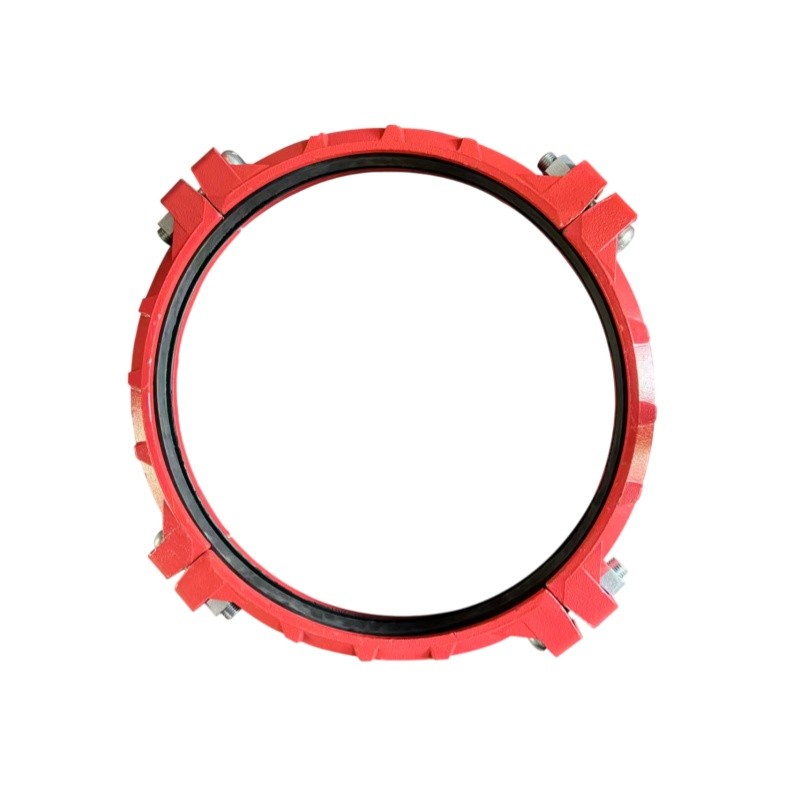
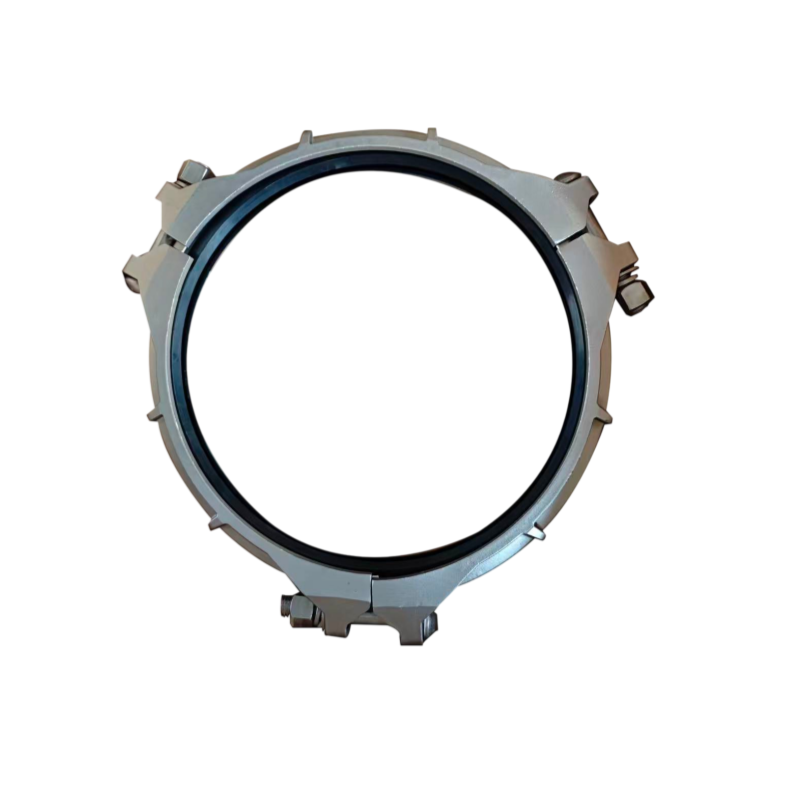
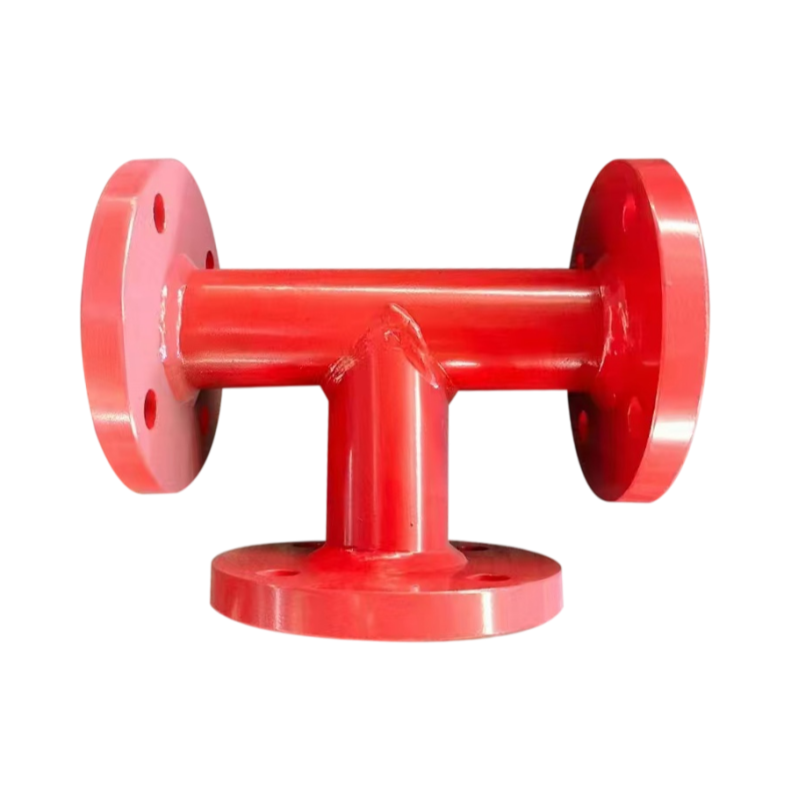
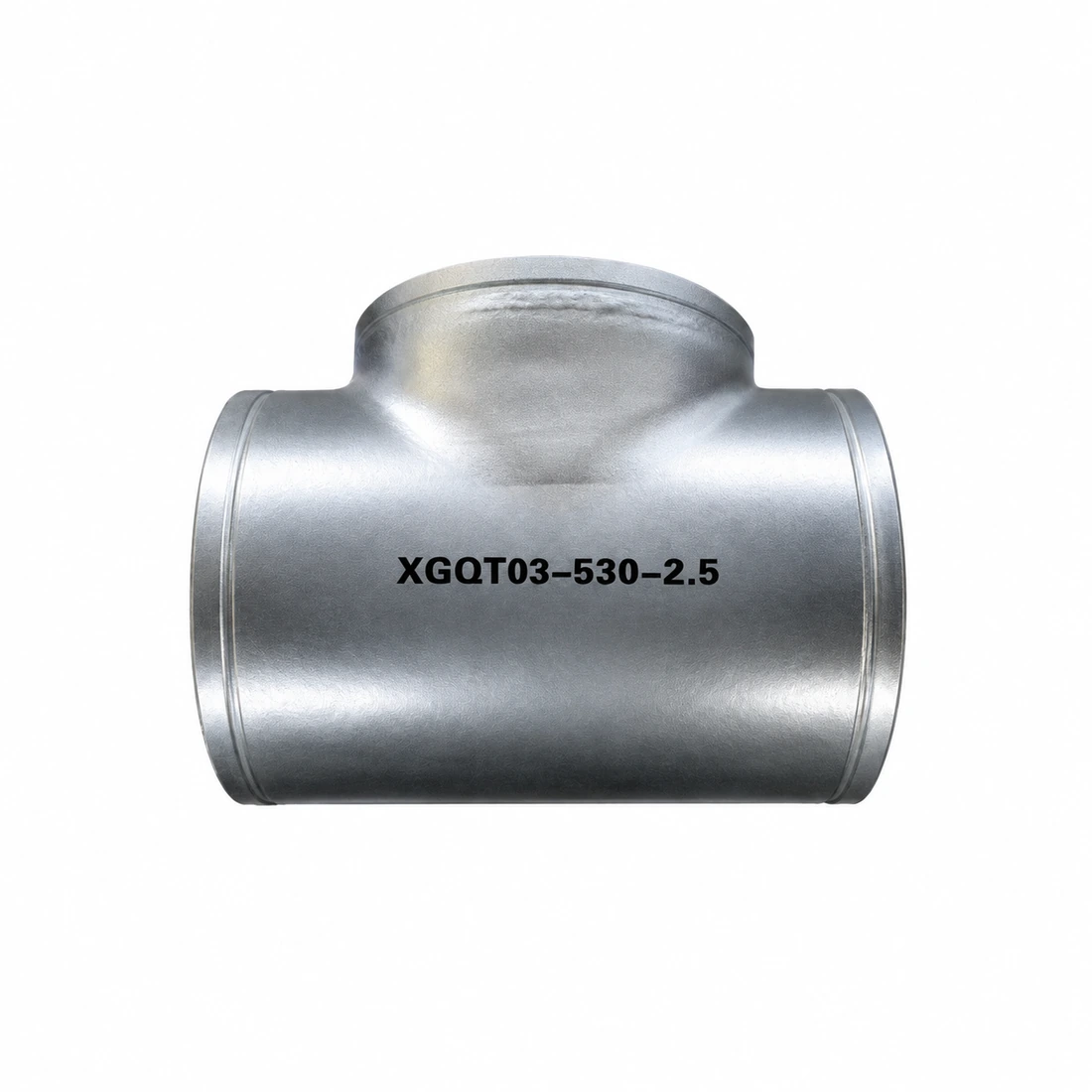
Clarification of Concepts: Carbon steel grooved fittings refer to fittings where the body is made of carbon steel (e.g., Q235B/Q345B, produced via stamping, welding, or forging), although the accompanying couplings may still be made of ductile iron. These fittings are typically paired directly with carbon steel piping and are widely used in industrial and high-pressure applications.
I. Advantages in Material Mechanical Properties
1. Superior tensile strength, impact resistance, and water-hammer resistance; good ductility makes them resistant to brittle fracture. They offer greater safety in industrial pipelines subject to high pressure, frequent pressure fluctuations, and significant vibration. Their pressure-bearing capacity generally exceeds that of standard ductile iron grooved fittings, making them suitable for operating pressures above 2.5 MPa and high-temperature fluid transport.
2. Excellent welding compatibility: Carbon steel allows for direct on-site welding—such as for spot repairs, the attachment of mounting lugs, or modifications involving short pipe sections—whereas ductile iron is difficult to weld and prone to cracking.
3. High resistance to external loads: Large-diameter, thick-walled carbon steel fittings excel at resisting deformation in demanding scenarios, such as heavy-load utility galleries, exposed overhead installations, and buried applications subject to vehicular traffic loads.
4. Flexible anti-corrosion options: Methods include hot-dip galvanizing, epoxy coating, and plastic lining; specialized anti-corrosion coatings can be customized for specific industrial conditions. Drawback: Bare carbon steel is prone to rusting, so the anti-corrosion coating requires reliable maintenance.
II. Advantages in Structure and Manufacturing
1. For ultra-large diameters (DN700 and above), fittings can be formed by rolling and welding steel plates. Compared to the casting process required for large ductile iron fittings, this method involves lower mold costs for large specifications and enables faster delivery for small-batch orders, making it ideal for non-standard, project-specific ultra-large elbows, tees, and reducers. 2. Made from the same base material as seamless or rolled-and-welded carbon steel pipe, they share a similar coefficient of thermal expansion; this minimizes additional stress at the joint during temperature fluctuations, thereby reducing the risk of seal failure.
3. Grooves can be precision-machined to ensure high geometric accuracy, resulting in superior engagement with large-diameter couplings and gaskets, which lowers the risk of leakage.
III. Installation and Maintenance (General advantages of grooved connections + unique benefits of carbon steel)
1. No on-site welding required: Mechanical locking via grooves and couplings significantly reduces the need for hot work, complying with fire safety regulations in restricted areas; however, the carbon steel fittings themselves can still be welded if auxiliary components need to be attached.
2. Faster installation than flanges: Fewer bolts are required, making work in confined spaces easier; disassembly for future maintenance is convenient and does not require cutting the pipe.
3. When used with flexible couplings, the system accommodates thermal expansion/contraction and foundation settlement, offering good seismic performance.
IV. Engineering, Selection, and Cost Characteristics
1. Applications favor industrial circulating water, process media, high-pressure water supply, energy plant piping networks, and high-temperature fluids; standard municipal and general fire protection projects typically utilize ductile iron grooved fittings.
2. For mass-produced standard parts, the unit cost of carbon steel is often higher than that of ductile iron; however, for small-batch projects involving extra-large diameters, rolled carbon steel fittings can be more economical.
3. Procurement note: The anti-corrosion systems for carbon steel grooved fittings and carbon steel pipes must be compatible to prevent galvanic corrosion; gaskets should still be selected from materials like EPDM that are suitable for the specific medium.
V. Quick Comparison with Large-Diameter Ductile Iron Grooved Fittings
- Ductile Iron: Casting is ideal for standard specifications and fire/municipal water systems; offers good vibration damping and high cost-effectiveness for mass production, but has poor weldability and is limited in high-pressure or high-temperature applications. - Carbon steel: Excels in strength, high-temperature and high-pressure applications, weldability, and custom large-diameter capabilities; corrosion resistance relies on coatings, and costs are relatively high for standard civil projects.
Final dimensions, materials, pressure ratings and supply scope are confirmed for the selected product and order. Photographs do not establish certification or interchangeability.